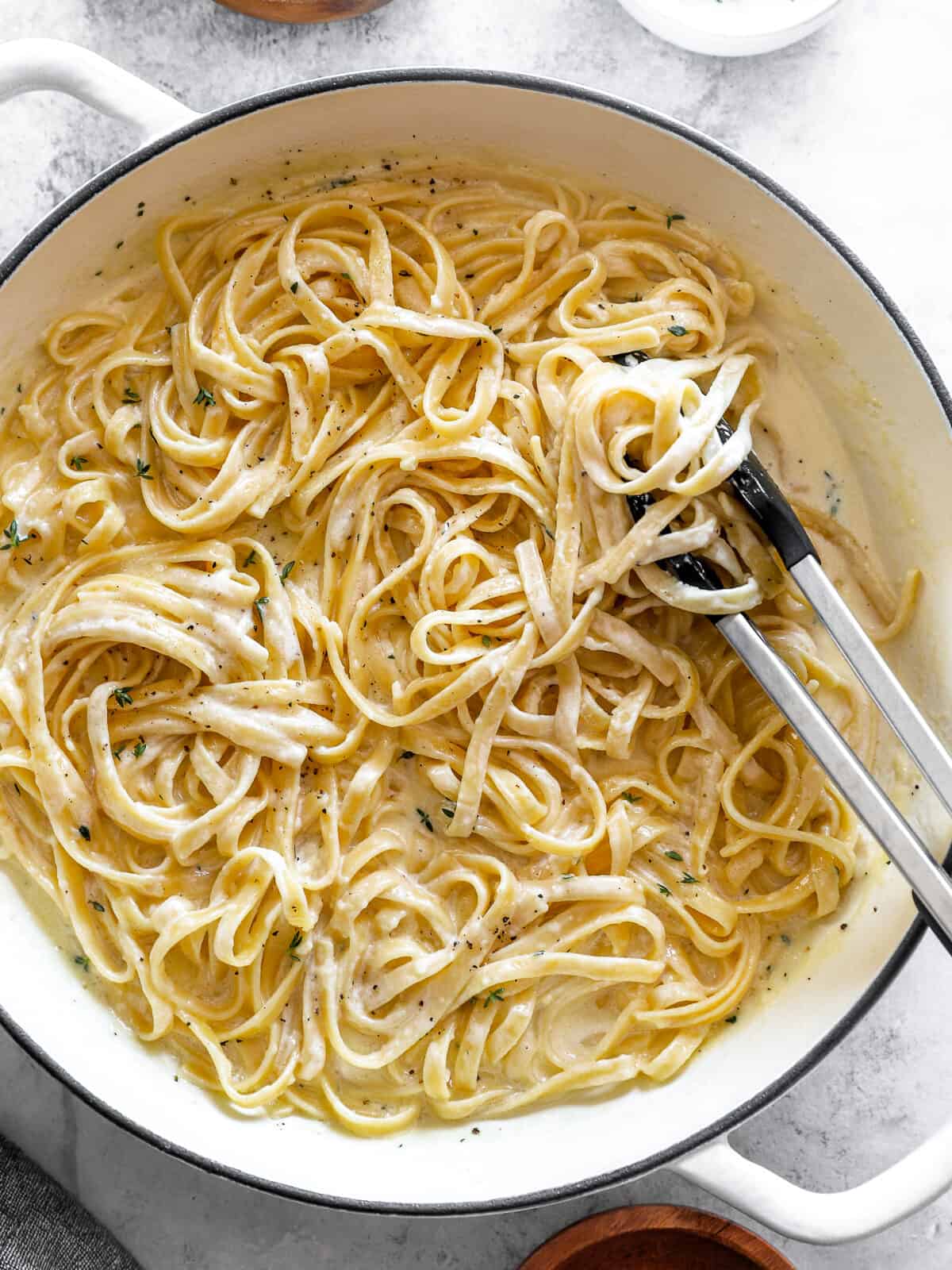
Homemade Alfredo: Ditch the Jar for Restaurant-Worthy Creaminess
If you've ever spooned a jarred Alfredo sauce over your pasta, taking a bite, and thinking, "There has to be something better," then you've come to the right place. That flat, often greasy, store-bought imitation simply doesn't capture the magic of true Alfredo. The good news? Crafting a homemade alfredo sauce recipe that's rich, creamy, and undeniably restaurant-worthy is astonishingly simple – and incredibly fast. It's a culinary revelation that will change your pasta nights forever.
Imagine a velvety smooth sauce, infused with fresh garlic and real Parmesan, coating every strand of fettuccine. It's a comforting classic that transforms a simple meal into an indulgent experience. And the best part? You only need a handful of basic ingredients and about ten minutes to achieve this culinary triumph. From the moment the butter melts and the garlic fragrances fill your kitchen, you'll understand why this easy alfredo sauce recipe is a game-changer. It’s the kind of dish that brings warmth and satisfaction, making any dinner feel special.
The Magic Behind the Creaminess: Essential Ingredients for Your Alfredo Sauce Recipe
The secret to an exceptional homemade Alfredo sauce lies not in complex techniques, but in the quality and simplicity of its core ingredients. A truly classic alfredo sauce recipe focuses on pure flavors, allowing each component to shine. Here’s what you’ll need to unlock that unparalleled richness and creaminess:
- Unsalted Butter (½ cup): This is your flavor foundation. Unsalted butter allows you to control the overall saltiness of your sauce. It provides that luxurious, melt-in-your-mouth richness and helps carry the other flavors.
- Heavy Cream (2 cups): The undisputed star of the show. Heavy cream (also known as whipping cream) is crucial for that signature, luscious texture. Its high fat content prevents it from curdling under heat and provides an unmatched velvety mouthfeel.
- Fresh Garlic, Minced (3-4 cloves): Forget jarred garlic – fresh is non-negotiable here. Minced fresh garlic infuses the butter and cream with a pungent, aromatic warmth that defines homemade Alfredo. The difference in flavor is truly profound.
- Freshly Grated Parmesan Cheese (1 ½ cups): This is where many home cooks make a crucial mistake. Pre-shredded or pre-grated Parmesan often contains anti-caking agents that prevent it from melting smoothly, resulting in a grainy sauce. Opt for a block of high-quality Parmigiano Reggiano and grate it yourself just before adding it to the sauce. It melts beautifully, adding a salty, umami depth that elevates the entire dish.
- Salt and Freshly Ground Black Pepper: To taste. These essential seasonings balance the richness and bring out the full spectrum of flavors.
- Optional Touches: A tiny pinch of freshly grated nutmeg can enhance the dairy notes, adding a subtle warmth. A sprinkle of fresh parsley at the end provides a pop of color and freshness.
Notice what’s missing? There’s no flour, no cornstarch, and no other complicated thickeners. A true, classic alfredo sauce recipe relies solely on the emulsion of butter, cream, and cheese to achieve its perfect consistency.
Step-by-Step: Crafting Your Restaurant-Worthy Alfredo Sauce Recipe
Preparing this decadent sauce is a straightforward process that takes less than 10 minutes from start to finish. Once you follow these steps, you'll wonder why you ever settled for anything less.
- Melt the Butter: In a medium saucepan, melt the unsalted butter over medium heat. Keep an eye on it; you want it fully melted, but not browned. Browning the butter will give it a nutty flavor that isn't traditional for classic Alfredo.
- Sauté the Garlic: Add the minced fresh garlic to the melted butter. Cook for about 30-60 seconds, stirring constantly, until it becomes wonderfully fragrant. The key here is to soften and release the garlic's aroma without allowing it to brown, which can make it bitter.
- Introduce the Cream: Pour in the heavy cream. Bring the mixture to a gentle simmer, stirring frequently. Do not let it come to a rapid boil, as this can cause the cream to separate or scorch. A gentle simmer is perfect for allowing the flavors to meld and the sauce to begin thickening slightly.
- Incorporate the Parmesan: Reduce the heat to low, or even remove the saucepan from the heat entirely. This is crucial for a smooth sauce. Gradually add the freshly grated Parmesan cheese, stirring continuously until it's completely melted and incorporated. The low heat prevents the cheese from clumping or becoming stringy, ensuring a silky, homogenous sauce.
- Season to Perfection: Taste the sauce and season generously with salt and freshly ground black pepper. Remember that Parmesan is salty, so add salt in small increments until it’s just right. If using, stir in a tiny pinch of nutmeg.
And just like that, your rich and creamy alfredo sauce is ready! It should be thick enough to coat the back of a spoon and cling beautifully to pasta. For the ultimate experience, toss it immediately with freshly cooked fettuccine or your favorite pasta. The warmth of the pasta will help the sauce adhere even better.
Beyond Pasta: Creative Ways to Enjoy Your Homemade Alfredo Sauce
While fettuccine Alfredo is the iconic pairing for this luxurious sauce, its versatility extends far beyond a simple pasta dish. Once you've mastered this essential alfredo sauce recipe, you'll find countless ways to incorporate its rich, creamy goodness into your meals:
- A Perfect Companion for Proteins: Drizzle your homemade Alfredo over baked or grilled chicken breasts for an instant gourmet upgrade. It’s also phenomenal with seared shrimp, scallops, or even flaky salmon, adding a layer of indulgence to lean proteins.
- Elevate Your Vegetables: Transform simple steamed broccoli, asparagus, or roasted cauliflower into a decadent side dish. A spoonful of Alfredo can make even the pickiest eaters appreciate their greens.
- Sauce for Other Pasta Shapes: Don’t limit yourself to fettuccine! Alfredo sauce is fantastic with penne, rigatoni, linguine, tortellini, or even gnocchi. Each shape offers a unique texture to hold the sauce.
- Creative Appetizers: Use it as a base for a creamy dip with crusty bread or vegetable sticks. A dollop on bruschetta or crostini with some roasted red peppers makes for an impressive starter.
- Pizza or Flatbread Base: Swap out traditional tomato sauce for Alfredo to create a white pizza. Top with chicken, spinach, or mushrooms for a sophisticated twist.
- Casseroles and Bakes: Incorporate Alfredo sauce into your favorite casseroles, like a chicken and broccoli bake, or use it to create a creamy lasagna alternative.
The possibilities are endless, limited only by your imagination. This sauce truly has the power to elevate almost any savory dish it touches.
Troubleshooting & Customization: Master Your Alfredo Sauce Recipe
Even with a simple recipe, a few tips can ensure consistent success and allow you to tailor the sauce to your preferences.
Common Challenges and Solutions:
- Sauce is too thin: If your sauce isn't as thick as you'd like, gently simmer it over low heat for a few more minutes, stirring constantly. Be careful not to over-reduce, as it will thicken slightly more as it cools. Alternatively, you can add a tiny bit more freshly grated Parmesan cheese, which helps bind the sauce.
- Sauce is too thick: If your Alfredo sauce becomes too thick (which can happen if it sits for a while), simply whisk in a tablespoon or two of warm heavy cream or a splash of warm pasta water until it reaches your desired consistency.
- Grainy texture: This is almost always due to using pre-shredded cheese with anti-caking agents or adding the cheese when the cream is too hot. Always use freshly grated Parmesan and ensure the heat is very low (or off) when incorporating the cheese, stirring continuously.
Lightening Up Your Alfredo:
While heavy cream delivers the most authentic and luxurious Alfredo, you can make substitutions if you're looking for a slightly lighter version. Be aware that the texture and richness will change:
- Half-and-Half: Substituting half-and-half for heavy cream will yield a lighter, less rich sauce. It won't be as thick or as decadent, but it's a viable option.
- Whole Milk + Thickener: You can use whole milk, but you'll likely need a thickener. Whisking in a tablespoon of flour or cornstarch (made into a slurry) with the milk can help, but this will give the sauce a different mouthfeel, leaning more towards a béchamel.
- Milk + Cream Cheese: Some recipes use a small amount of cream cheese blended with milk to add richness without full heavy cream. This isn't traditional Alfredo but can create a satisfyingly creamy sauce.
For the truest classic Alfredo, heavy cream is king. If you want to lighten the overall meal, simply use a smaller portion of sauce on your pasta and pair it with a bright, fresh side salad or steamed vegetables.
Customizing Your Flavors:
- Herbs: Beyond parsley, consider fresh chives, basil, or a tiny pinch of dried oregano or Italian seasoning (sparingly) for different aromatic notes.
- Spice: A pinch of red pepper flakes added with the garlic can introduce a subtle warmth and kick.
- Umami Boost: A dash of white wine (cooked down before adding cream) can add complexity, or a very small amount of white miso paste for an extra umami punch.
- Citrus Brightness: A squeeze of fresh lemon juice or a hint of lemon zest stirred in at the very end can cut through the richness and add a vibrant lift to the sauce.
Conclusion
There's an undeniable joy in creating something truly delicious from scratch, especially when it's as simple and rewarding as a homemade alfredo sauce recipe. Ditching the jarred stuff for a fresh, restaurant-quality version isn't just about better taste; it's about experiencing the true essence of this beloved Italian-American classic. With just a few quality ingredients and a few minutes of your time, you can transform your weeknight dinners into an extraordinary culinary experience. Once you taste the rich, garlicky, and velvety perfection of homemade Alfredo, you'll understand why you'll never go back to the jar again.
