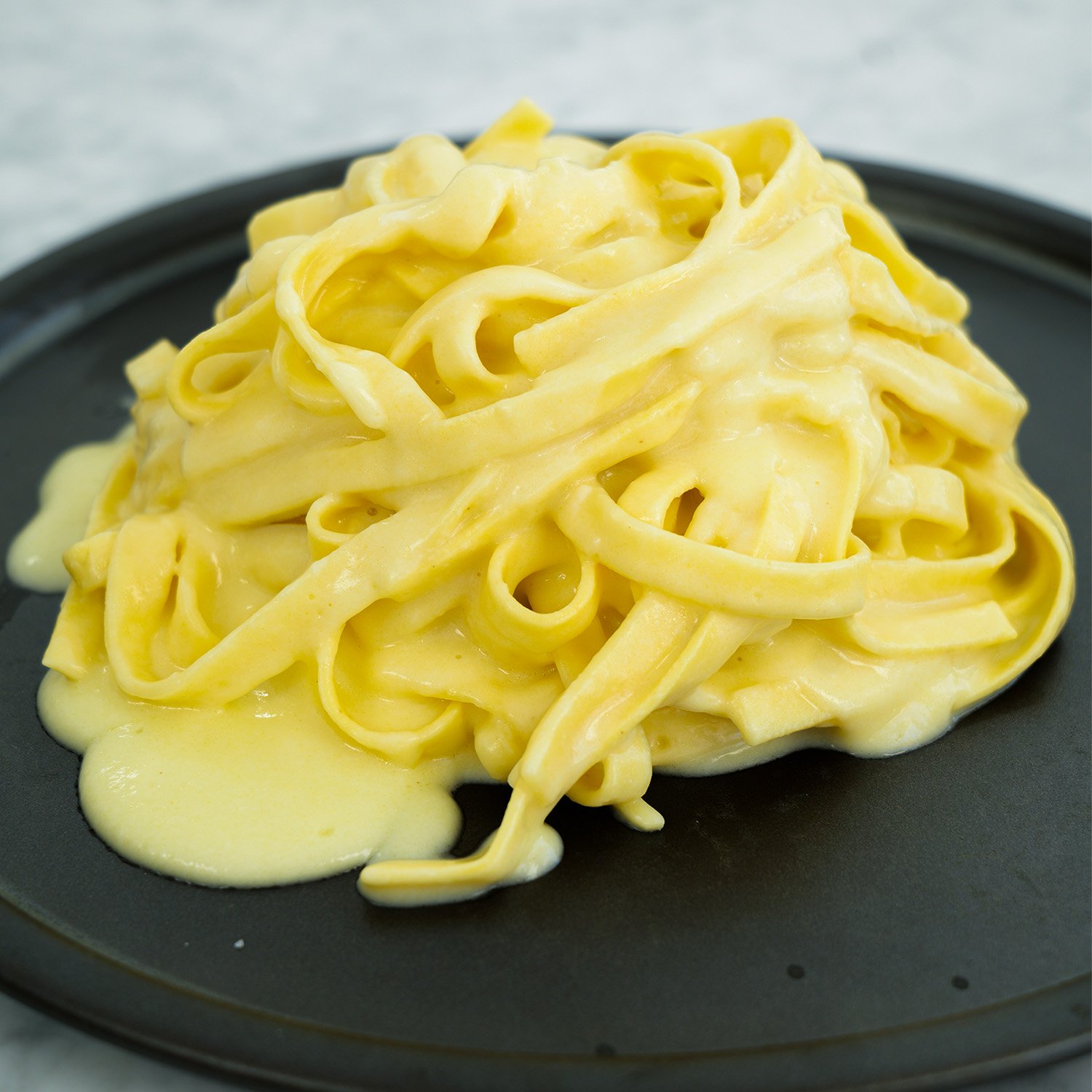
Master Classic Alfredo Sauce: Tips for Rich, Silky & Flavorful Results
For anyone who has ever spooned a jarred white sauce over their pasta and felt a pang of disappointment, realizing it falls short of that luxurious, restaurant-quality experience, this article is for you. True Alfredo sauce is a symphony of simple ingredients, transformed into a velvety, aromatic masterpiece that clings to every strand of pasta. Forget the heavy, bland alternatives; learning to make a proper
alfredo sauce recipe from scratch is not only surprisingly easy but also incredibly rewarding. Prepare to elevate your weeknight meals and impress your guests with a rich, silky, and profoundly flavorful sauce that tastes just as it should.
The journey from mediocre jarred sauce to a homemade revelation begins with understanding the core philosophy: simplicity and quality. Imagine a kitchen filled with the warm, inviting aroma of garlic butter, followed by the sight of freshly grated Parmesan melting into a thick, shimmering cream. This isn't a culinary dream; it's the reality of preparing an authentic Alfredo. It's the kind of comforting, nourishing dish that transformed dinners for countless families, proving that the best meals often require just a handful of thoughtfully chosen components and a few minutes of your time. If you're ready to ditch the jar for good and embrace a truly exceptional culinary experience, keep reading. For more reasons to make the switch, check out
Homemade Alfredo: Ditch the Jar for Restaurant-Worthy Creaminess.
The Magic Behind a Restaurant-Worthy Alfredo Sauce Recipe
What truly distinguishes a phenomenal Alfredo sauce from its less inspiring counterparts? It boils down to a commitment to fresh, high-quality ingredients and a gentle, attentive cooking process. Unlike many store-bought versions that can feel heavy, gummy, or artificially flavored, a homemade Alfredo celebrates the natural richness of dairy and the pungent warmth of fresh garlic.
At its heart, a classic Alfredo sauce is a pure expression of culinary elegance. It’s about building layers of flavor with minimal fuss. The moment the butter melts and the fresh garlic begins to release its intoxicating aroma, you're already halfway to a dish that will enchant your senses. Then, as the cream warms and the cheese gracefully incorporates, it transforms into that iconic, clingy sauce that coats pasta perfectly. It’s this pure, unadulterated combination of simple elements that creates an incredibly satisfying experience, turning a quick dinner into a cozy, memorable event. Once you taste this creamy delight, particularly when tossed with fettuccine, it will become your go-to
alfredo sauce recipe for quick dinners or special occasions.
Essential Ingredients: Quality Over Quantity
The beauty of a classic alfredo sauce recipe lies in its minimalist ingredient list. There are no exotic spices or complex thickeners required. The secret is to use the best quality you can find for each component.
Here’s what you’ll need:
- Unsalted Butter: Approximately ½ cup (1 stick). Unsalted allows you to control the seasoning.
- Heavy Cream: 2 cups. This is the cornerstone of Alfredo's luxurious texture and richness.
- Fresh Garlic: 3-4 cloves, minced. This is non-negotiable! Fresh garlic provides a depth of flavor and aromatic complexity that garlic powder simply cannot replicate. It infuses the butter with its warm, savory notes, which then permeates the entire sauce.
- Freshly Grated Parmesan Cheese: 1 ½ cups. This is perhaps the most critical ingredient. Always grate your own Parmesan from a block. Pre-shredded cheeses often contain anti-caking agents like cellulose, which prevent them from melting smoothly, resulting in a grainy or clumpy sauce. Freshly grated Parmesan melts into a seamless, silky emulsion.
- Salt and Black Pepper: To taste. Essential for balancing and enhancing the flavors.
- Optional Additions: A tiny pinch of nutmeg (for a subtle warmth that complements the cream) or fresh parsley (for a pop of color and herbaceous freshness, stirred in at the end).
Notice what's missing? Flour. A true classic Alfredo relies on the emulsification of fat, cream, and cheese, not on a roux, giving it an unparalleled smoothness.
Crafting Your Perfect Alfredo Sauce: A Step-by-Step Guide
Creating this beloved alfredo sauce recipe is surprisingly straightforward, and it comes together in under 15 minutes. For an even quicker overview, check out this
Simple 10-Minute Alfredo Sauce: Fresh Garlic, Cream & Parmesan.
- Melt Butter & Infuse Garlic: In a medium saucepan, melt the ½ cup of unsalted butter over medium heat. Once melted, add the minced fresh garlic. Cook for about 30 seconds, stirring constantly, until the garlic is fragrant. Be vigilant here: you want the garlic to be aromatic, not browned. Browned garlic can become bitter and detract from the sauce's delicate flavor.
- Add Cream & Simmer Gently: Pour in the 2 cups of heavy cream. Bring the mixture to a gentle simmer, stirring frequently to ensure even heating and prevent scorching. Do not allow it to come to a rolling boil, as this can cause the cream to separate or become too thick too quickly. A gentle simmer is key to a smooth, stable sauce.
- Incorporate Parmesan & Season: Once the cream is gently simmering, reduce the heat to low. This step is crucial for preventing a grainy sauce. Slowly add the freshly grated Parmesan cheese, stirring continuously until it has completely melted into the cream and butter, forming a homogenous, silky sauce. The low heat ensures the cheese melts smoothly without clumping. Finally, season the sauce with salt and black pepper to taste. Start with a small amount and adjust as needed, remembering that Parmesan is already quite salty.
Within about 10 minutes, you'll have a rich, decadent alfredo sauce that is ready to be tossed with your favorite pasta. It will thicken slightly as it cools, achieving that perfect consistency that beautifully coats every bite.
Elevating Your Alfredo: Expert Tips & Serving Suggestions
Achieving that restaurant-quality Alfredo involves a few subtle techniques and thoughtful serving choices.
Expert Tips for Perfection:
- Mind the Heat: As emphasized, temperature control is paramount. High heat is the enemy of a smooth Alfredo, especially when adding cheese. Always reduce the heat to low before incorporating the Parmesan.
- Don't Overcook: The sauce will thicken as it sits and cools. Avoid the temptation to over-reduce it on the stove, as this can make it too thick or even cause it to break. If it becomes too thick after tossing with pasta, a splash of warm pasta water can loosen it beautifully.
- Pasta Water is Your Friend: Reserve about a cup of the starchy pasta cooking water. If your sauce is too thick or needs a little extra help clinging to the pasta, a tablespoon or two of this starchy water can work wonders, helping to emulsify and bind the sauce without diluting the flavor.
- Serve Immediately: Alfredo sauce is best enjoyed fresh off the stove. As it cools, it will thicken significantly. Have your pasta ready to toss directly into the warm sauce.
Beyond Fettuccine: Versatile Serving Ideas
While fettuccine Alfredo is the iconic pairing, this versatile sauce lends itself to much more:
- Classic Pasta Night: Toss generously with fettuccine, penne, spaghetti, or linguine. Ensure the pasta is al dente and add it directly to the saucepan with the sauce, tossing to coat thoroughly.
- Protein Power-Up: Drizzle over baked chicken breasts, grilled shrimp, or pan-seared scallops for an indulgent main course.
- Vegetable Enhancement: Spoon over steamed broccoli, roasted asparagus, or blanched green beans to transform simple sides into something special.
- Creative Appetizers: Use as a base for a creamy dip, or as a sauce for homemade pizzas or flatbreads.
To balance the richness of Alfredo, always consider adding a fresh element to your meal. A crisp green salad with a vinaigrette, steamed vegetables, or a side of crusty bread for soaking up every last drop are excellent choices.
FAQ: Can You Make Alfredo Sauce Without Heavy Cream?
The question of substituting heavy cream is a common one for those looking to lighten up their
alfredo sauce recipe or for dietary reasons. While you *can* make Alfredo sauce without heavy cream, it's important to understand that the texture and richness will inevitably change. Heavy cream is the gold standard for a reason, delivering unparalleled smoothness and decadence.
Here are some common substitutions and their effects:
- Half-and-Half: This is the closest alternative, offering a lighter sauce with slightly less richness and body. It will still provide a creamy consistency, but it won't be as intensely luxurious as full heavy cream.
- Whole Milk (with a thickener): Using whole milk alone will result in a much thinner sauce. To achieve a similar consistency, you would typically need to whisk in a tablespoon of flour or cornstarch to create a slurry or a roux. While this thickens the sauce, it changes the classic texture, often making it less silky and introducing a subtle starchy flavor that isn't present in traditional Alfredo.
- Milk with Cream Cheese: Some recipes suggest blending milk with a small amount of cream cheese for added richness without using full heavy cream. This can work to add body and a creamy mouthfeel, but it might introduce a slight tang from the cream cheese, altering the pure flavor profile of a classic Alfredo.
For the most authentic, rich, and silky result, heavy cream is truly king. If you're looking to lighten the meal, consider simply using less sauce on your pasta or pairing it with a vibrant, fresh side salad to balance the richness, rather than compromising the sauce itself.
Troubleshooting Common Alfredo Mistakes
Even with simple ingredients, a few pitfalls can hinder your path to perfect Alfredo. Knowing how to avoid or fix them will make you a true master.
- Grainy or Lumpy Sauce:
- Cause: The most common culprits are using pre-grated Parmesan (which contains anti-caking agents), adding cheese too quickly, or having the heat too high when the cheese is introduced.
- Solution: Always use freshly grated Parmesan from a block. Reduce the heat to low before slowly adding the cheese, stirring constantly until fully melted and smooth. If your sauce is already grainy, try gently reheating it over very low heat while whisking vigorously, or even passing it through a fine-mesh sieve (though this is a last resort).
- Sauce is Too Thin:
- Cause: Not simmering the cream long enough to reduce slightly, or adding too much liquid.
- Solution: Continue to gently simmer the sauce over low heat, stirring occasionally, until it reaches your desired consistency. Be patient, as it will thicken. As mentioned, it also thickens as it cools, and once tossed with pasta, the pasta will absorb some liquid.
- Sauce is Too Thick:
- Cause: Over-reduction of the cream or allowing it to sit too long before serving.
- Solution: Stir in a tablespoon or two of warm heavy cream, milk, or, ideally, reserved starchy pasta water, one spoonful at a time, until the sauce reaches the desired consistency.
- Sauce Separates or Breaks:
- Cause: This usually happens when the sauce is subjected to excessively high heat, especially after the cheese has been incorporated, or if it’s boiled too vigorously.
- Solution: Maintain low heat throughout the cheese melting process and avoid aggressive boiling. If your sauce starts to separate, immediately remove it from the heat and try whisking in a small amount of cold heavy cream or even an ice cube (remove it once melted) to help re-emulsify the fats.
Once you experience the unparalleled richness, silkiness, and incredible flavor of a homemade Alfredo sauce, there's truly no turning back to the jar. This simple
alfredo sauce recipe demonstrates that the most satisfying culinary creations often come from a commitment to fresh ingredients and a few mindful steps. So, grab your saucepan, prepare your ingredients, and get ready to create a meal that will not only comfort your soul but also impress anyone lucky enough to share your table.